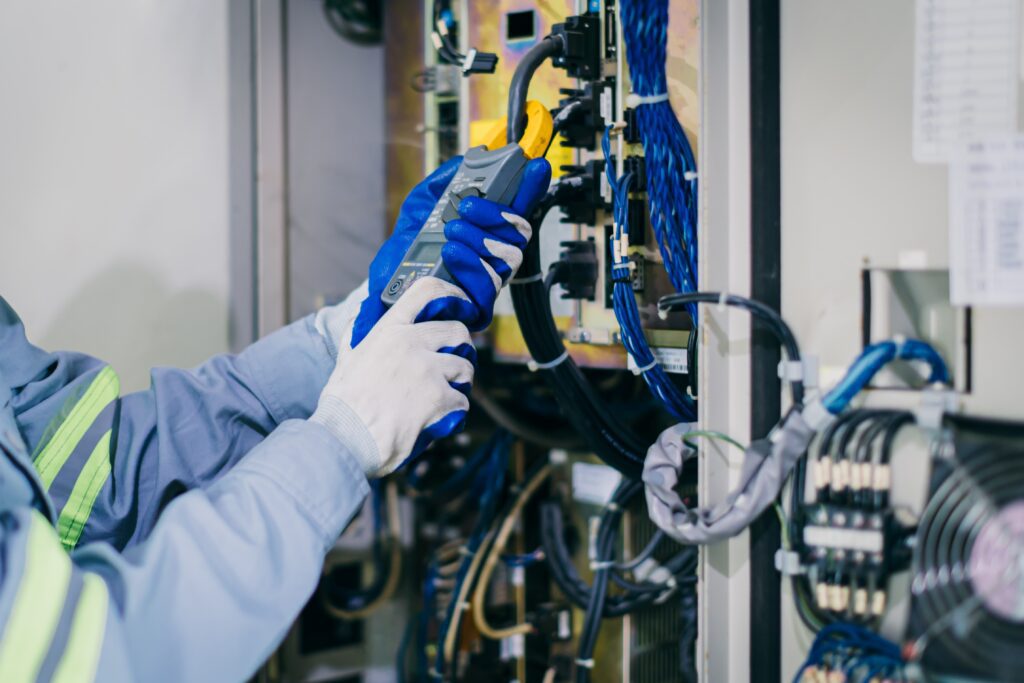
Electrical systems are used every day, but many of their components remain hidden behind walls, ceilings and floor coverings. Over time, wiring, connections and electrical accessories can deteriorate, potentially creating safety risks.
Regular electrical inspections help identify problems before they develop into more serious faults. They are an important part of maintaining a safe electrical installation in both residential and commercial properties.
An Electrical Installation Condition Report (EICR) provides an assessment of the condition of an existing electrical installation.
Preventing Electrical Faults
Faulty wiring, damaged accessories and deteriorating electrical components can increase the risk of electric shocks and electrical fires.
An inspection helps identify issues such as:
- Damaged or deteriorating wiring.
- Incorrect or inadequate electrical protection.
- Loose electrical connections.
- Overloaded circuits.
- Missing or insufficient RCD protection.
- Signs of overheating or previous electrical damage.
Identifying these problems early can help property owners arrange appropriate repairs and avoid unexpected disruption.
Electrical Safety for Landlords
Landlords have specific legal responsibilities regarding electrical safety in rented properties.
In England, private landlords must generally arrange an electrical safety inspection at least every five years, or sooner if the report specifies an earlier inspection. Different rules may apply in Scotland and other parts of the UK.
An EICR helps demonstrate that the electrical installation has been inspected and provides details of any remedial work required.
Keeping inspection reports and maintenance records also helps landlords manage their responsibilities and provide reassurance to tenants.
What Happens During an EICR?
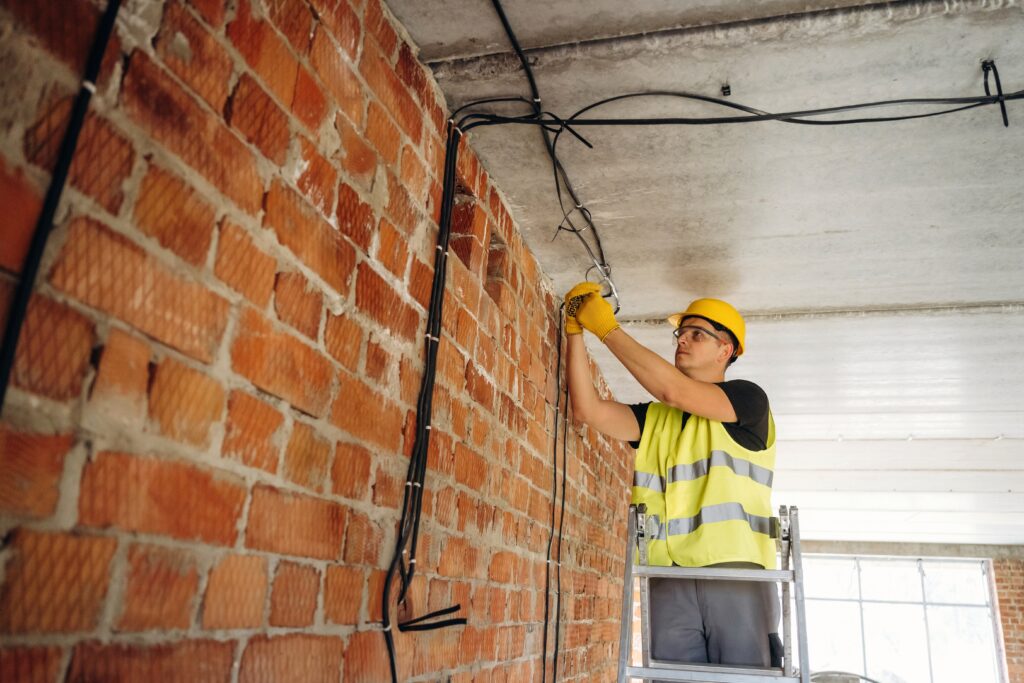
During an Electrical Installation Condition Report, a qualified electrician assesses the condition of the fixed electrical installation.
This typically includes examining:
- Consumer units and protective devices.
- Fixed wiring and electrical circuits.
- Switches, sockets and other accessories.
- Earthing and bonding arrangements.
- RCD protection and other safety measures.
Some testing may require the electrical supply to be temporarily isolated. The electrician will explain any necessary arrangements before carrying out the inspection.
Following the assessment, you will receive a report identifying any issues and their classification.
Understanding Your Inspection Report
An EICR uses different classification codes to explain the seriousness of any problems found.
C1 indicates danger present, while C2 identifies a potentially dangerous condition. C3 means improvement is recommended. FI means further investigation is required without delay.
Understanding these classifications helps property owners prioritise any necessary electrical work.
Keep Your Property Safe
Electrical inspections are not just about meeting legal requirements. They provide an opportunity to identify developing problems, improve safety and maintain confidence in your property’s electrical system.
MSER provides electrical inspection and maintenance services across Moray and the Highlands, helping residential and commercial property owners maintain safe electrical installations.